Last updated: 2026-08-06

Fields of Mistria from NPC Studio left Early Access with 1.0 on August 5, 2026 on Steam (app 2142790, about $14.99). The pitch is familiar — rebuild a town, farm crops, befriend villagers, descend a mine — but the execution layers nine skills, shared essence economies, Caldarus shrine perks, and tablet magic without feeling like a checklist clone. This review reflects the launch build players receive after two Early Access years, with Steam Deck Verified support and no online co-op.
First impressions and presentation
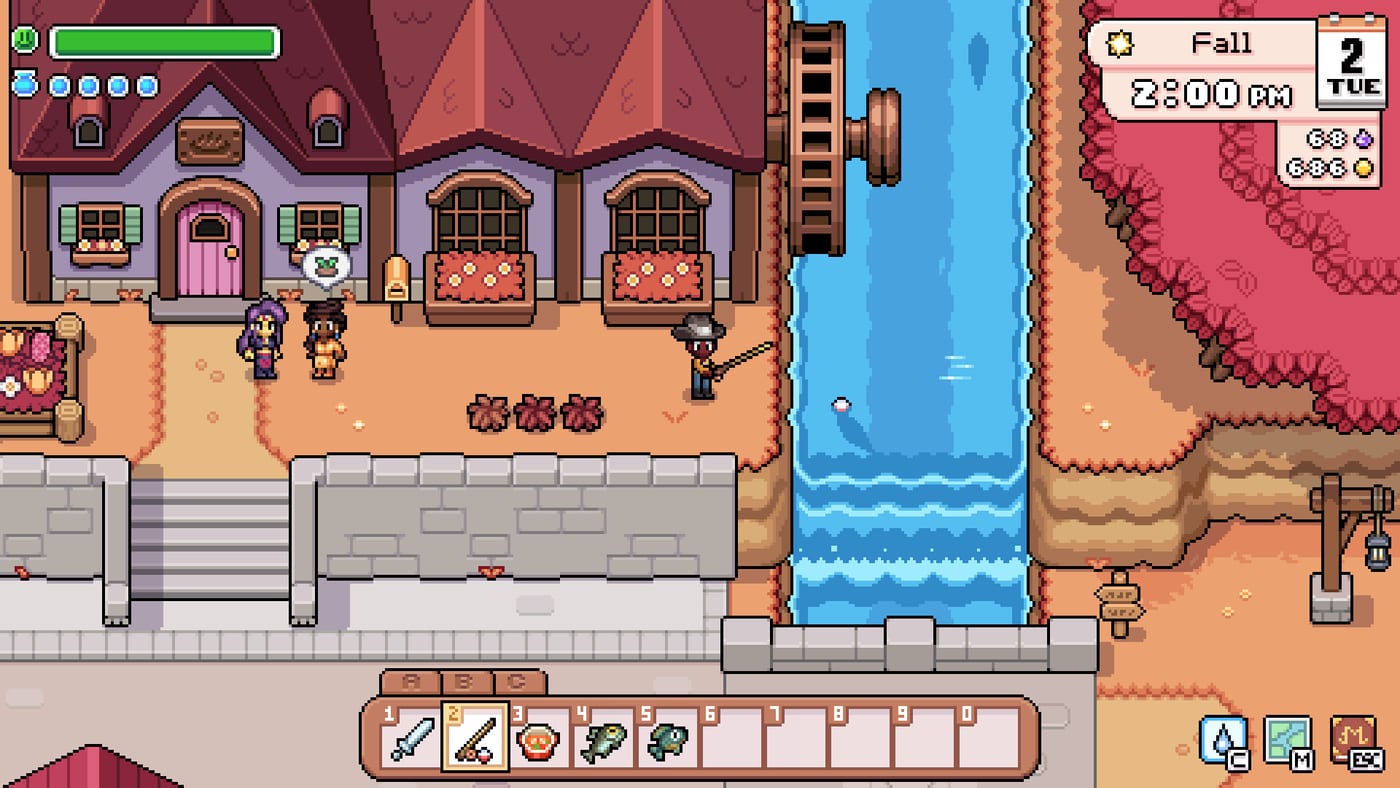
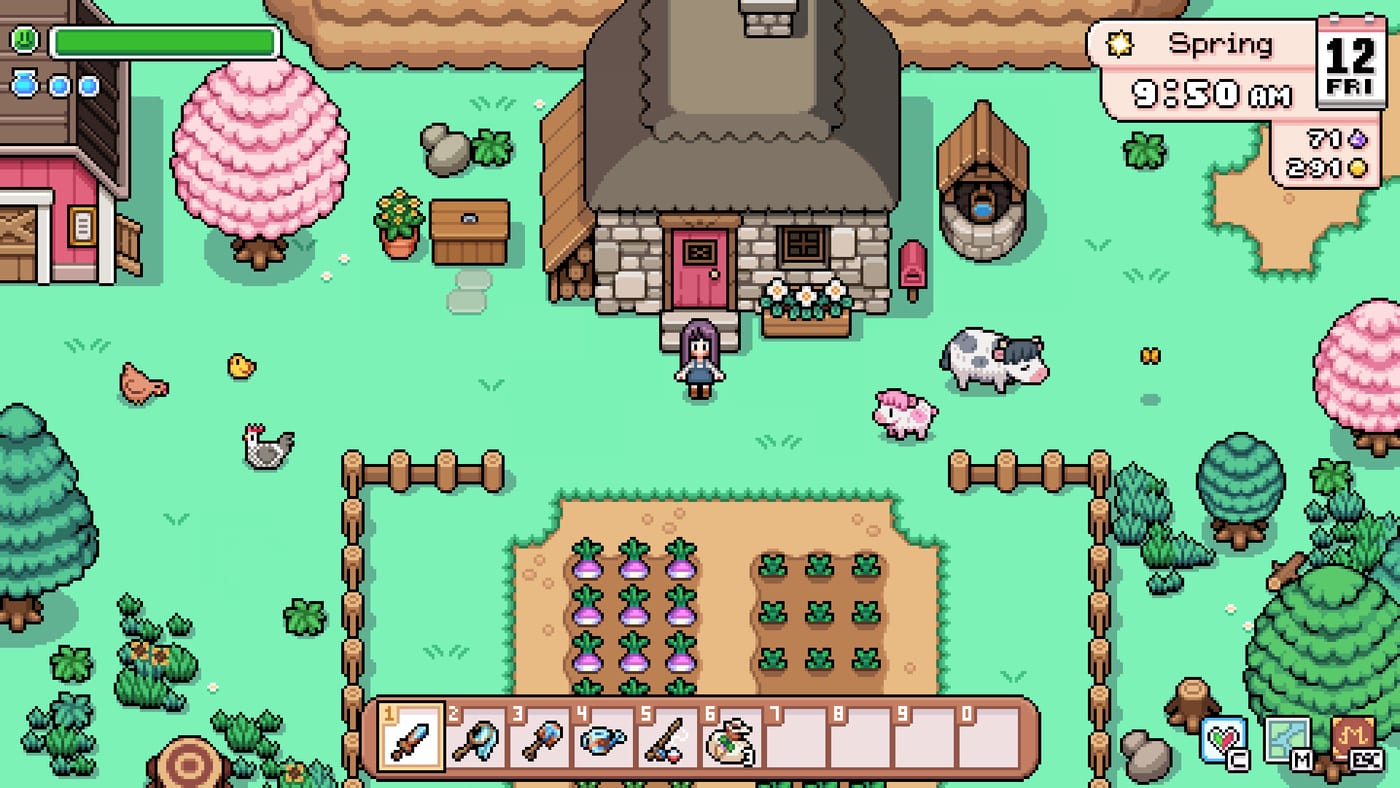
Art direction leans cozy pixel with readable UI at 1080p and Deck resolution. Music adapts calmly to town versus mine tension. Dialogue volume is high — heart events, town restoration, and mine lore feed the same narrative bucket Stardew players expect, but Mistria routes more progression through Town Rank and explicit repair quests (bridges, General Store, Carpenter) instead of invisible flags.
Tutorial pacing front-loads tool delivery via story, which avoids early shop confusion but delays fishing rod and shovel purchases (~500 Tesserae each) until players understand shipping — see how to get a fishing rod for timing.
Farming and daily loops
Crop seasons, greenhouse planning (greenhouse guide), and request-board jobs create satisfying morning routines. Multi-harvest berries remain profit kings early; crop planner community tools mirror in-game math closely.
Pain point: Tool Use (Repeated) unbound by default — a strange launch oversight fixable in five minutes via recommended rebinds. Without rebinding, watering large fields feels physically tedious on mouse.
Skill essence tying perks to daily chores rewards generalism — specialization requires planning at Caldarus shrines (skills hub). Essence also fuels woodcrafting automation, preventing pure perk hoarding but adding cognitive load.
Mines, combat, and magic
The Mines unlock at Town Rank Stone (10) — clearer gate than many genre peers. Floors mix ore and combat cleanly; separate mining/combat skills feed a dedicated dragon statue perk shop. Fainting hurts but teaches food buff discipline (combat tips).
Magic tablets (Water around floor twenty) add utility without invalidating tools — good balance if you accept mine skill checks. Deep floors supply greenhouse mats and late romance story requirements.
Some players want faster combat readability on Deck; dodge telegraphs improve with practice but remain harder than surface farming.
Town progression and quests
Renown to Rank 70 for greenhouse is a long arc — satisfying for completionists, daunting for casual farmers. Bridge material hauls (60/60 then 300/150/50 plus fees) feel grounded in the economy rather than arbitrary gates.
NPC schedules and festival density match genre expectations. Marriage candidates avoid gender locks per developer notes — inclusive without fuss. 1.0 completes the social arc: 10-heart proposals, customizable weddings, optional children, post-marriage dialogue, and kiss interactions with dating or married partners. Steam Achievements track marriage, museum completion, and other long-term goals — many retroactively unlock on existing saves.
Controls and platforms
Full rebind support on keyboard and controller. Steam Deck Verified is accurate: readable text, sensible defaults after paddle tweak for repeated tools. No native co-op — solo experience only.
Inventory shift-click and Ctrl+split on PC excel; controller inventory slower — expand inventory matters more on handheld.
Tools and wiki ecosystem
Interactive gift finder and crop planner complement in-game UI gaps — loved gifts and seasonal profit are not always obvious from menus alone. Wiki guides (guides hub) fill unlock steps the game whispers through NPC hints.
Value and audience
At ~$14.99, content depth exceeds price if you want one polished single-player year with mines, magic, and romance. Skip if you need multiplayer farming or dislike renown gates blocking dungeon access early.
Compare pacing to Stardew: Mistria is more explicit about rank numbers and repair manifests; some love transparency, others miss mystery.
Patch outlook
Launch 1.0 is stable enough for recommendations with rebinding caveats. Post-launch likely targets balance and localization (beta languages ~75% at launch per store notes). Essence costs and rank thresholds may shift — wiki guides track mechanics separately.
Verdict
Fields of Mistria 1.0 delivers a complete farming sim—not a Early Access endpoint—for players who enjoy skill perk planning, mine combat, town reconstruction, marriage and optional children, and Steam achievement hunting. Fix controls day one, buy bag upgrade before marathon mines, and use essence thoughtfully. Marriage, museum completion, and the Rank 100 Mistril cap give completionists clear finish lines Early Access lacked.
It is an easy yes at ~$14.99 if the genre already owns your evenings — a conditional wait for sale only if you bounced off rank-gated dungeons in similar games before. For every 1.0 feature in one list, read What’s New in 1.0.
Start playing with tips and tricks and skills hub when the review convinces you to buy.
Frequently asked questions
Is Fields of Mistria worth buying at 1.0?
At about $14.99, yes for farming sim fans who want mines, skills, and town rank progression. Fix default rebinds first.
Does Fields of Mistria have co-op?
No online co-op at 1.0 launch. The experience is single-player only.
Is it Steam Deck Verified?
Yes. Handheld play works well after binding Tool Use (Repeated) to a paddle or shoulder button.
How does it compare to Stardew Valley?
Similar daily loops with more explicit Town Rank gates, nine skills with essence perks, and mine tablet magic.
When did 1.0 release?
August 5, 2026 on Steam after Early Access began August 5, 2024.
Does 1.0 add marriage and achievements?
Yes. 10-heart marriage, optional children, completable town repair, and Steam Achievements (many retroactive). See What's New in 1.0.
Recheck the source date and in-game version before relying on a numeric requirement. This page was last updated Aug 6, 2026.